Spotting the signs early in Kansas City homes
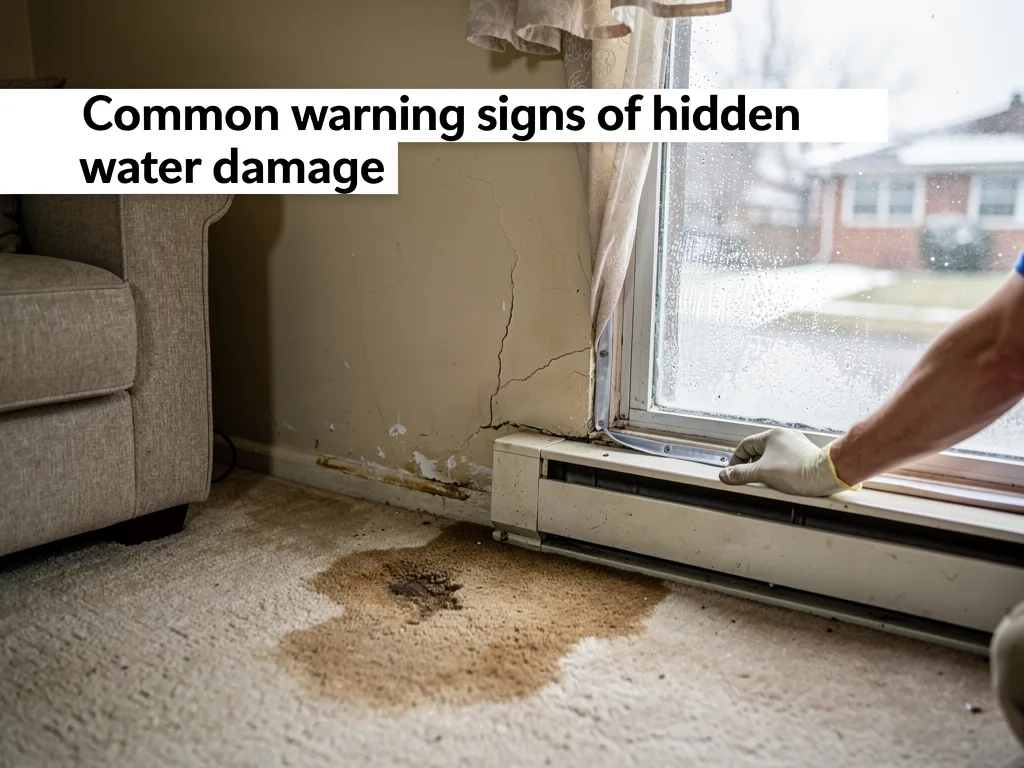
Water damage can hide behind walls, under floors, and above ceilings. Our restoration specialists in Kansas City often find issues by listening for clues homeowners notice in everyday living spaces. A musty smell, paint or wallpaper that starts to bubble, or stains that grow over weeks are more than cosmetic problems. These are flags that moisture is present where it shouldn’t be.
Another common signal shows up after rainstorms or rapid temperature changes. If you see damp spots that reappear after drying out, that pattern suggests a chronic source. In a city like Kansas City with variable weather, it’s not unusual to have humidity swing during spring and fall. That swing can drive condensation into building materials, and that’s where trouble starts.
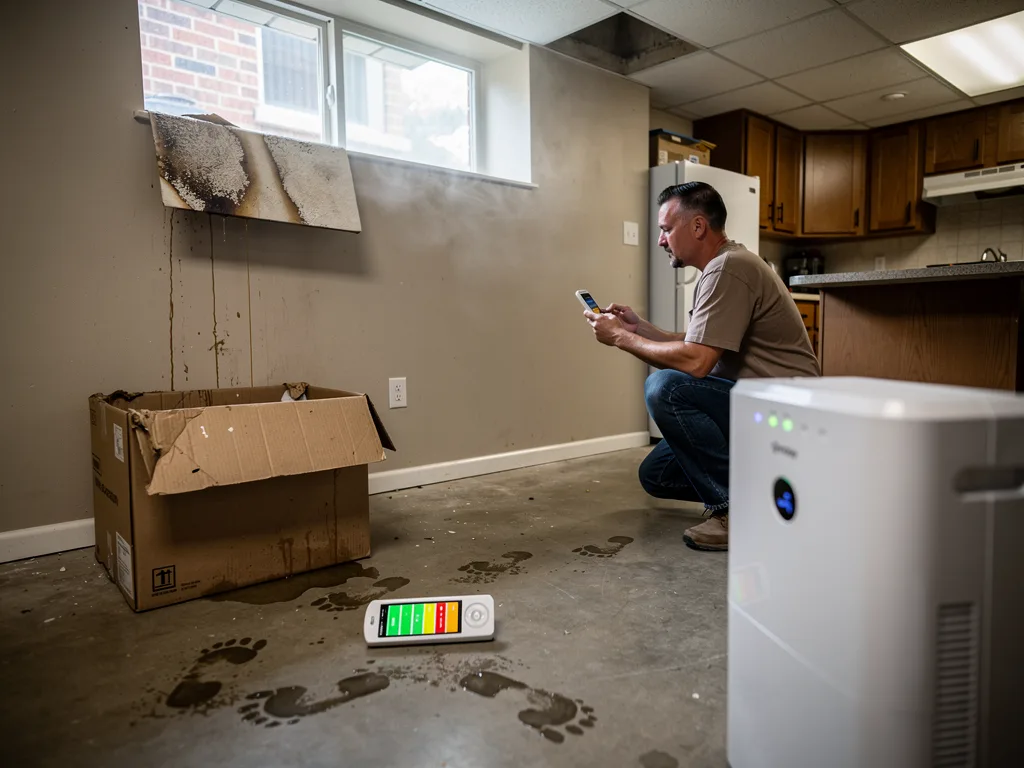
Our team focuses on practical assessments. We map moisture with noninvasive tools, check for hidden wetness in drywall, and inspect sealing around windows and doors. When a homeowner notices even a small sign, it’s worth a careful check from a restoration specialist before the problem grows.
What a warning sign means for action
If a sign appears, don’t wait for it to get worse. Small leaks can remain quiet for months and then turn into bigger costs. In Kansas City, the cost of remediation tends to rise as moisture travels through framing and insulation. A quick, professional assessment helps you understand scope and options without guessing.
We approach each case with clear steps: verify moisture sources, contain the area to prevent spread, and prioritize drying and dehumidifying. The goal is to stabilize the environment, then repair the affected materials with minimal disruption to daily life.
What homeowners can do now
Start with a quick visual check of ceilings, walls, and floors near kitchens, bathrooms, and laundry areas. If you notice staining or softness, call a restoration specialist for an on-site evaluation. Keep an eye on attic spaces after storms and ensure attic access is sealed properly. In Kansas City, keeping exterior drainage clear and gutters free from debris helps reduce water near the foundation.
- Document the signs with photos and dates to track changes.
- Turn off affected areas if you see active leaks, only if safe to do so.
- Schedule a professional assessment promptly to avoid escalating costs.